NEW EVENT • We Are Frontier 2026
Event recap 🚀
Thank you for joining us!
Two days. One mission. Explore what quantum computing really means for business and innovation.
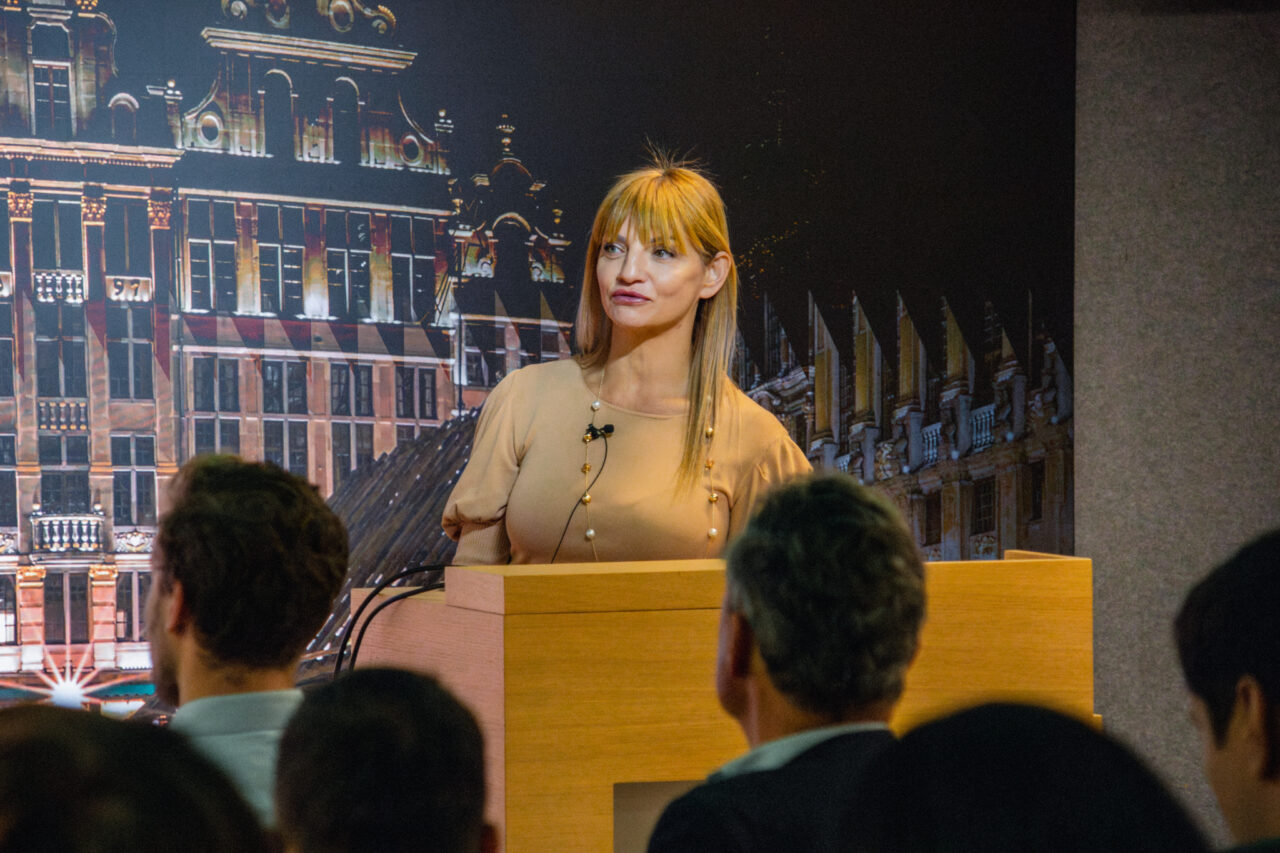
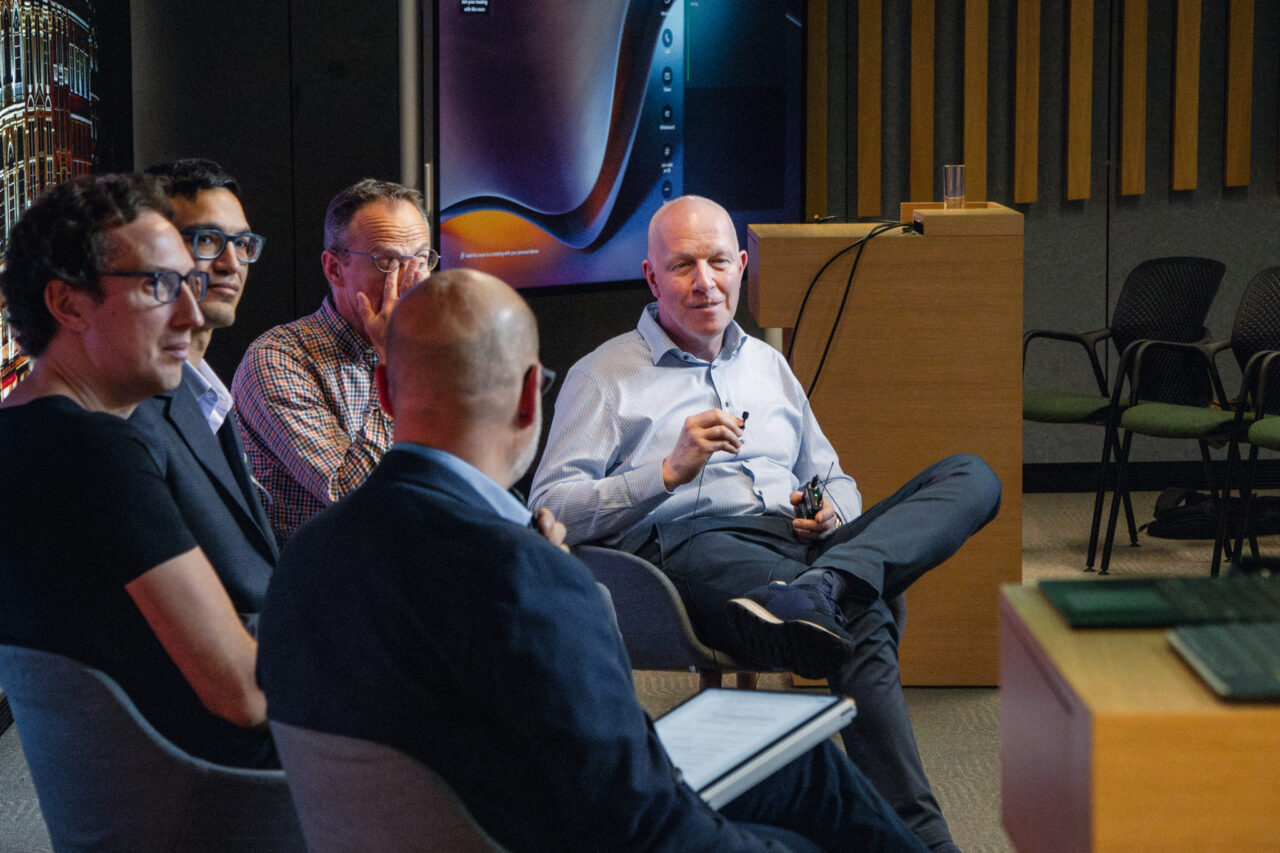
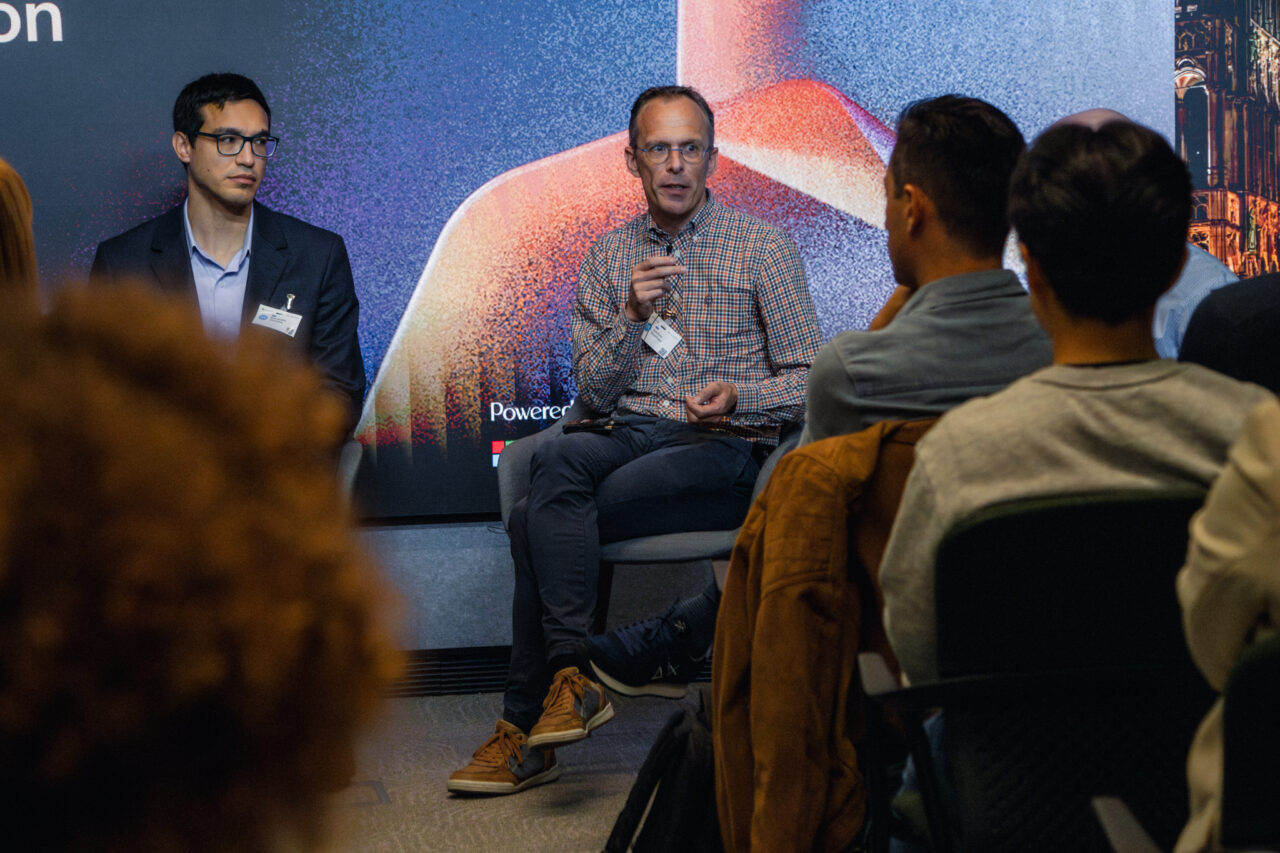
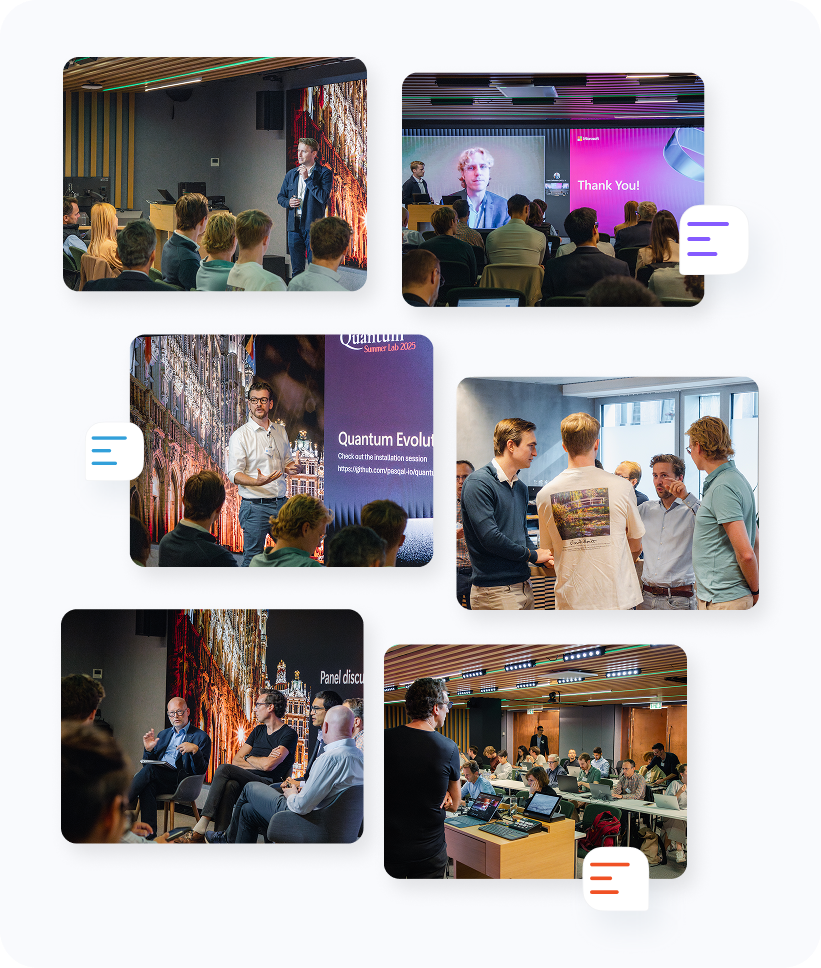
Quantum Summer Lab 2025 brought together researchers, engineers, business leaders, and quantum enthusiasts to take a hands-on look at where the field is heading. It was a unique collaboration between MiCRONOS, Microsoft, Pasqal, and Quantum Circle. Together, we designed an experience that combined theory with real-world application, delivered in a setting that encouraged questions, curiosity, and connection.
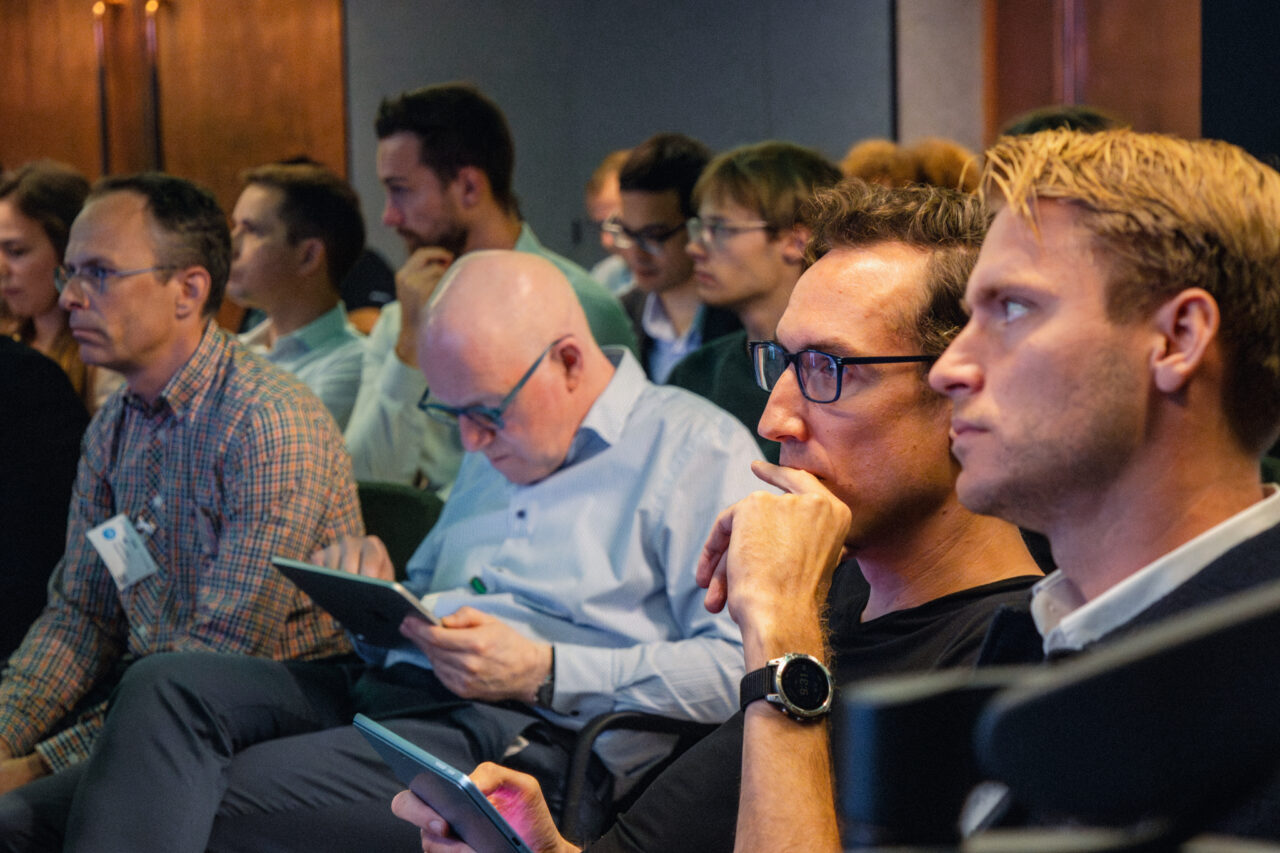
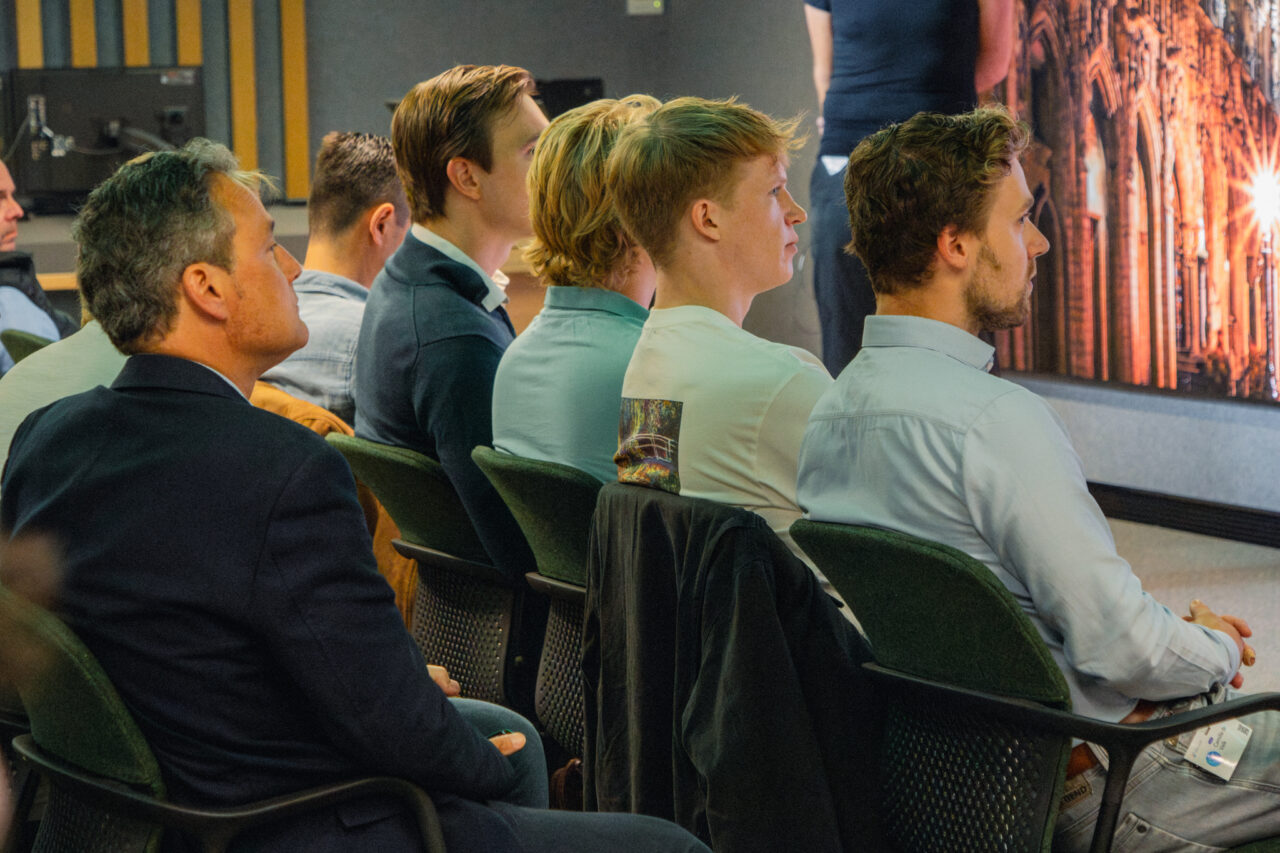
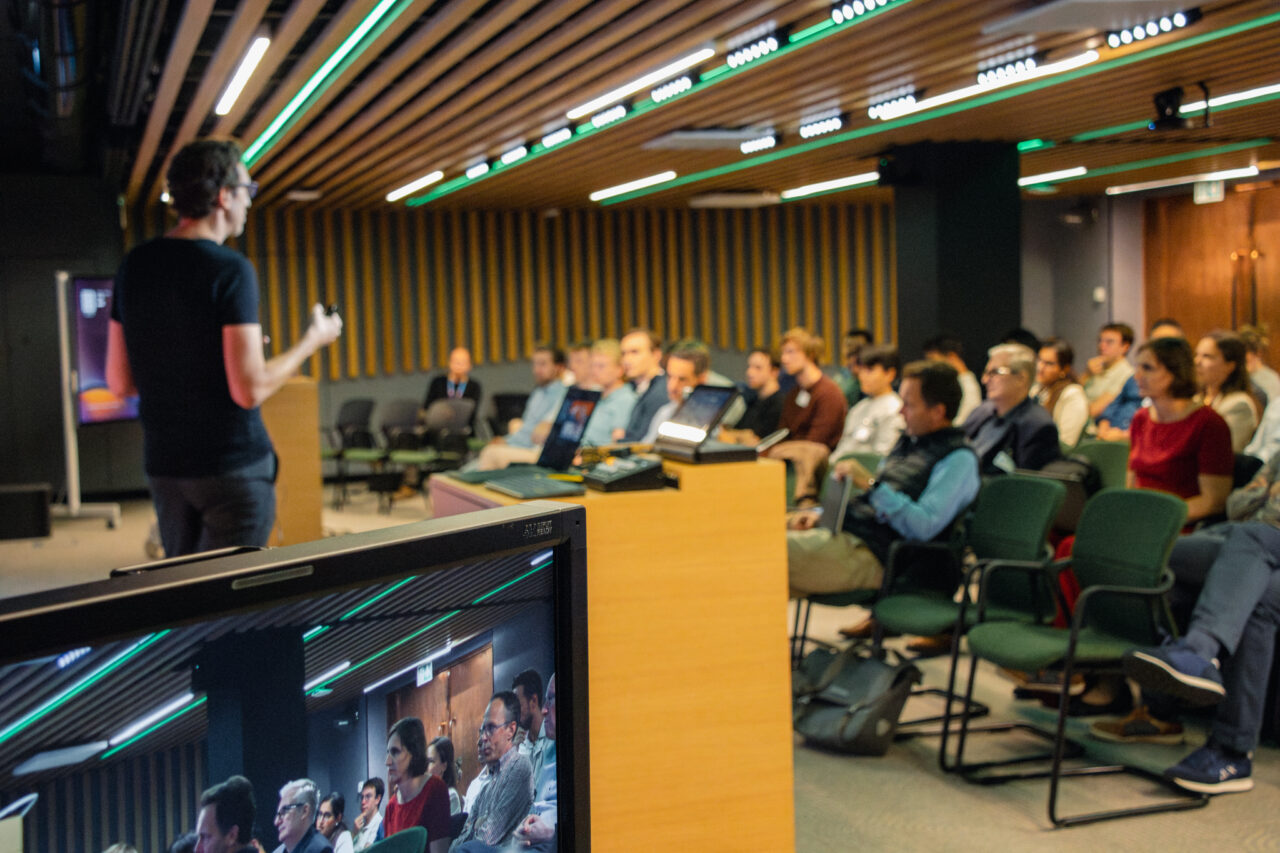
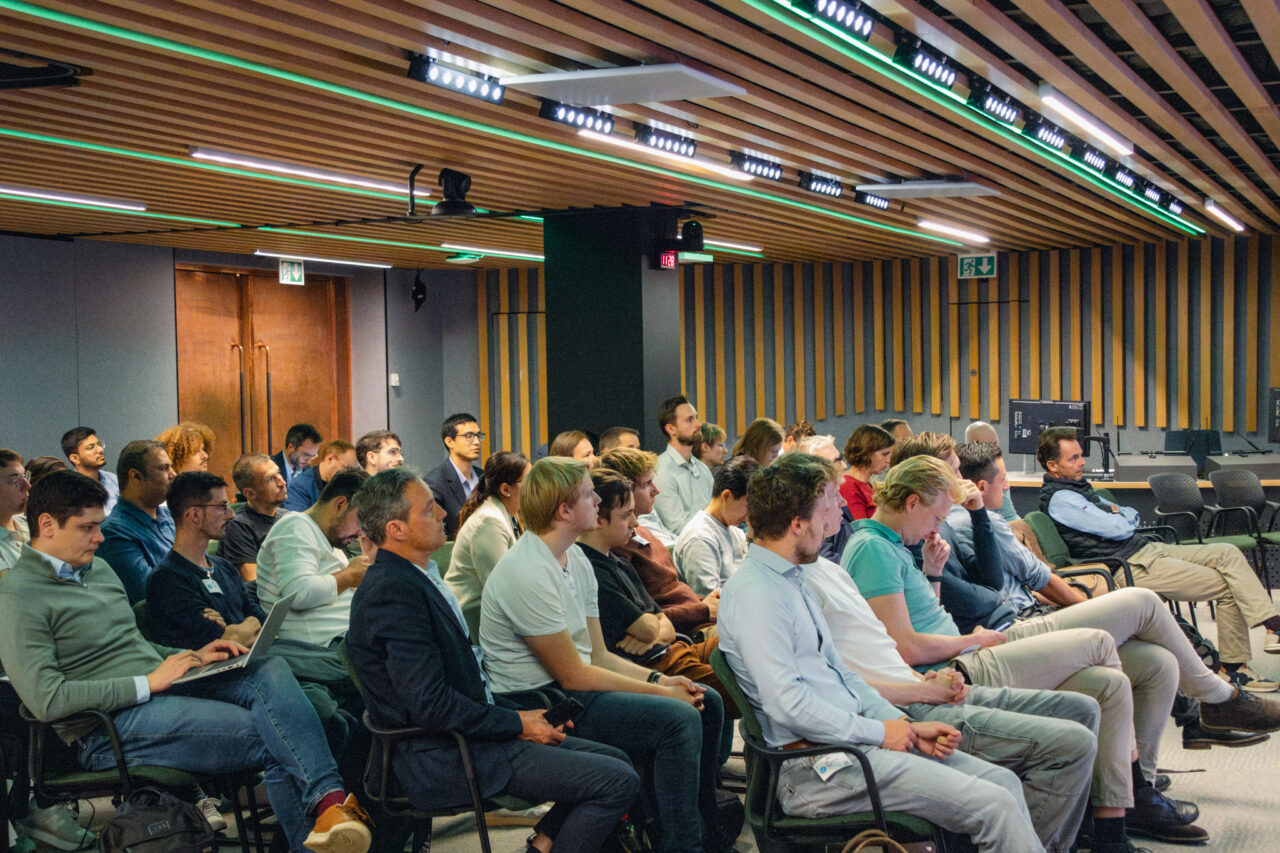
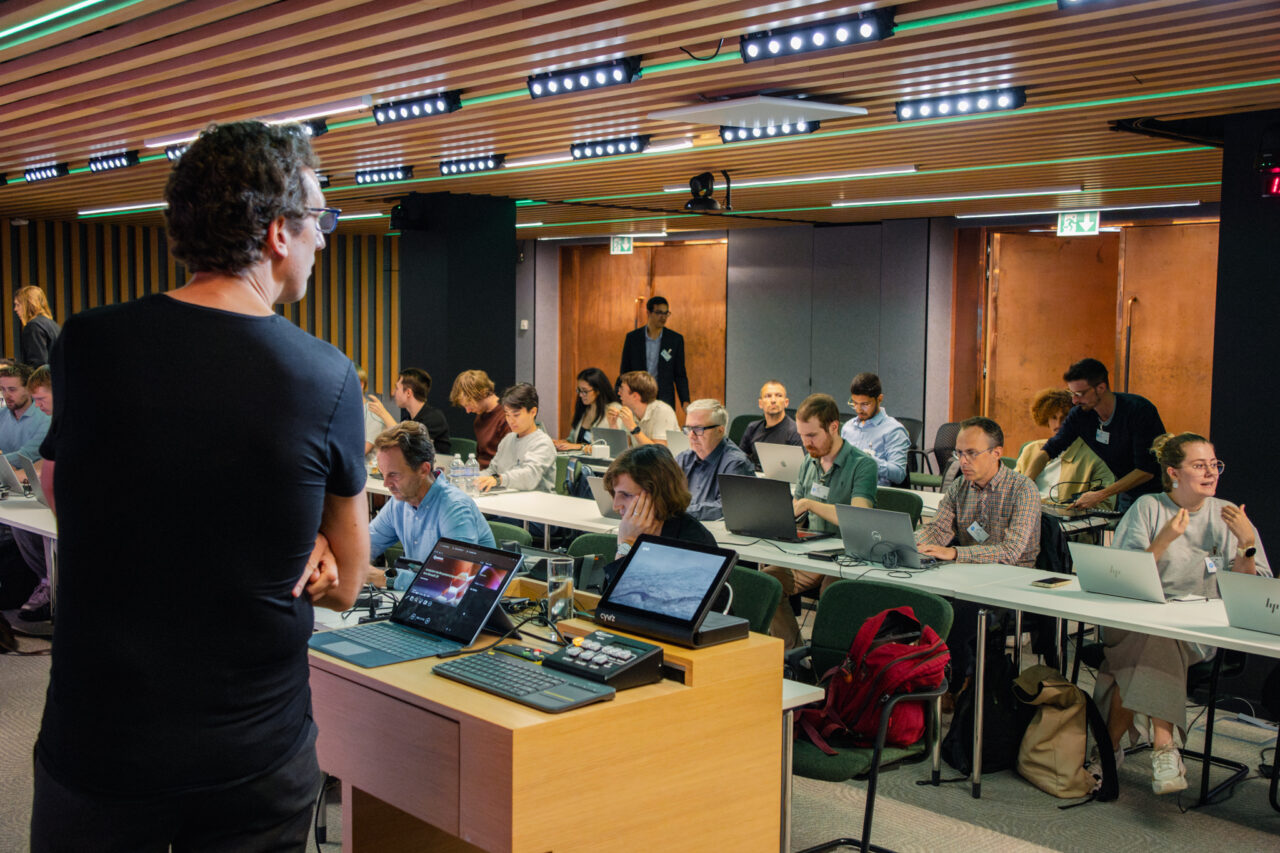
We welcomed over 50 participants at the Microsoft Innovation Hub in Brussels. From keynote talks and technical deep dives to actual coding sessions using Microsoft’s Q# and Pasqal’s Neutral Atom platform, the focus was clear: understand what quantum can do today and what it will unlock tomorrow.
What to remember – Takeaways
Laying the groundwork
On day one, we kicked off with the basics. Participants were introduced to core concepts in quantum computing, including the distinction between classical bits and quantum qubits, the principles of quantum mechanics, and an overview of available hardware architectures. The goal was straightforward: to build a shared foundation before delving deeper.
Programming quantum logic in Q#
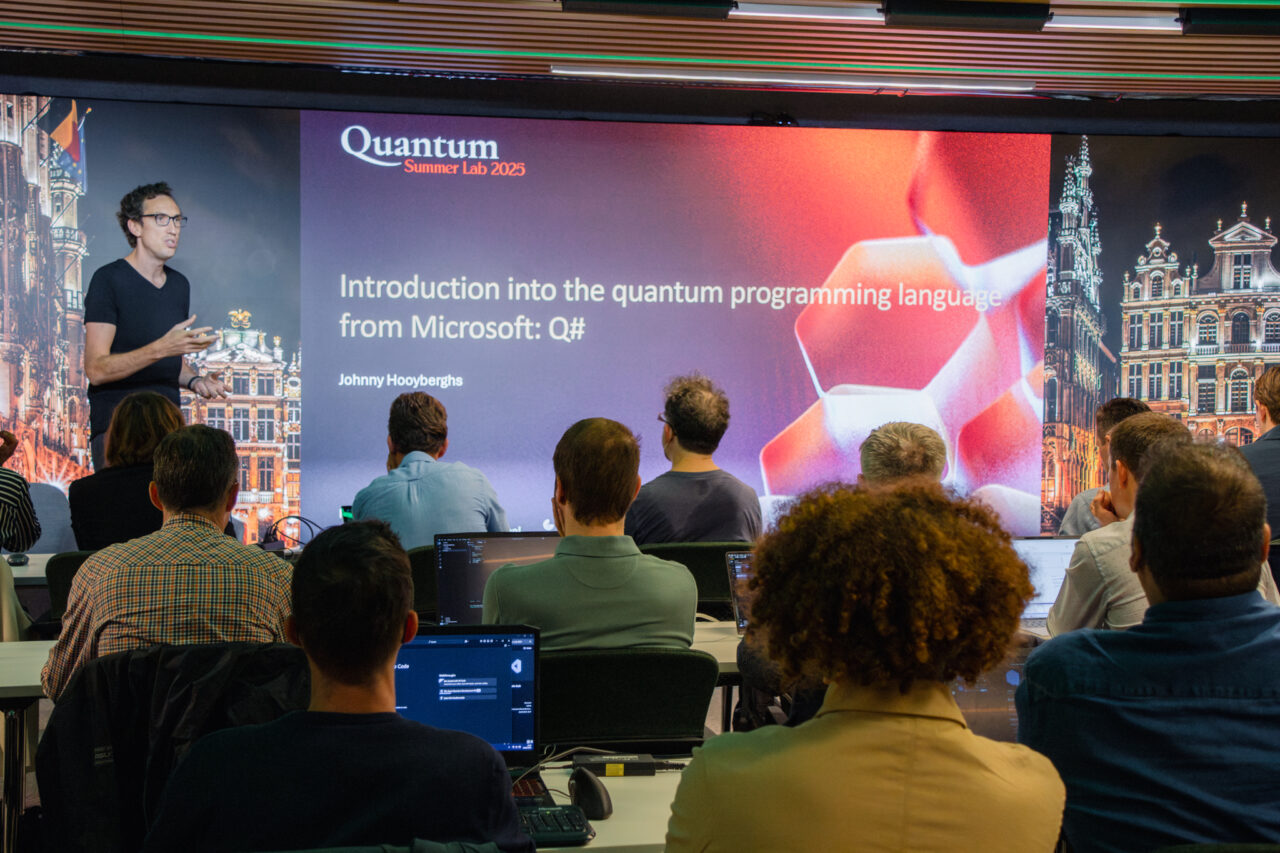
Led by Johnny Hooyberghs from Involved, the afternoon shifted into hands-on mode. Using Visual Studio Code and the Azure Quantum Development Kit, participants explored how to structure and run quantum programs in Q#. They worked through exercises, learned to simulate quantum circuits, and gained practical insight into how quantum logic behaves.
Applied quantum computing with Pasqal
Day two was all about application. Pasqal’s experts guided attendees through two practical labs. The first focused on quantum machine learning using the Quantum Evolution Kernel (QEK). The second explored combinatorial optimization with the Maximum Independent Set (MIS) solver. All experiments were run through the Pasqal Cloud interface via Microsoft Azure.
This hands-on approach showed that quantum computing is not just a research topic. It’s a field with clear business relevance and emerging use cases.
From fabrication to scalability
Lauri Sainiemi, Vice President of Fabrication at Microsoft Quantum, also joined us. In his keynote, he addressed the hardware side of the quantum equation. His talk explored how Microsoft is working to scale topological qubit technology, turning theoretical models into production-ready components. It was a rare look inside the future of large-scale quantum computing infrastructure.
A connected community
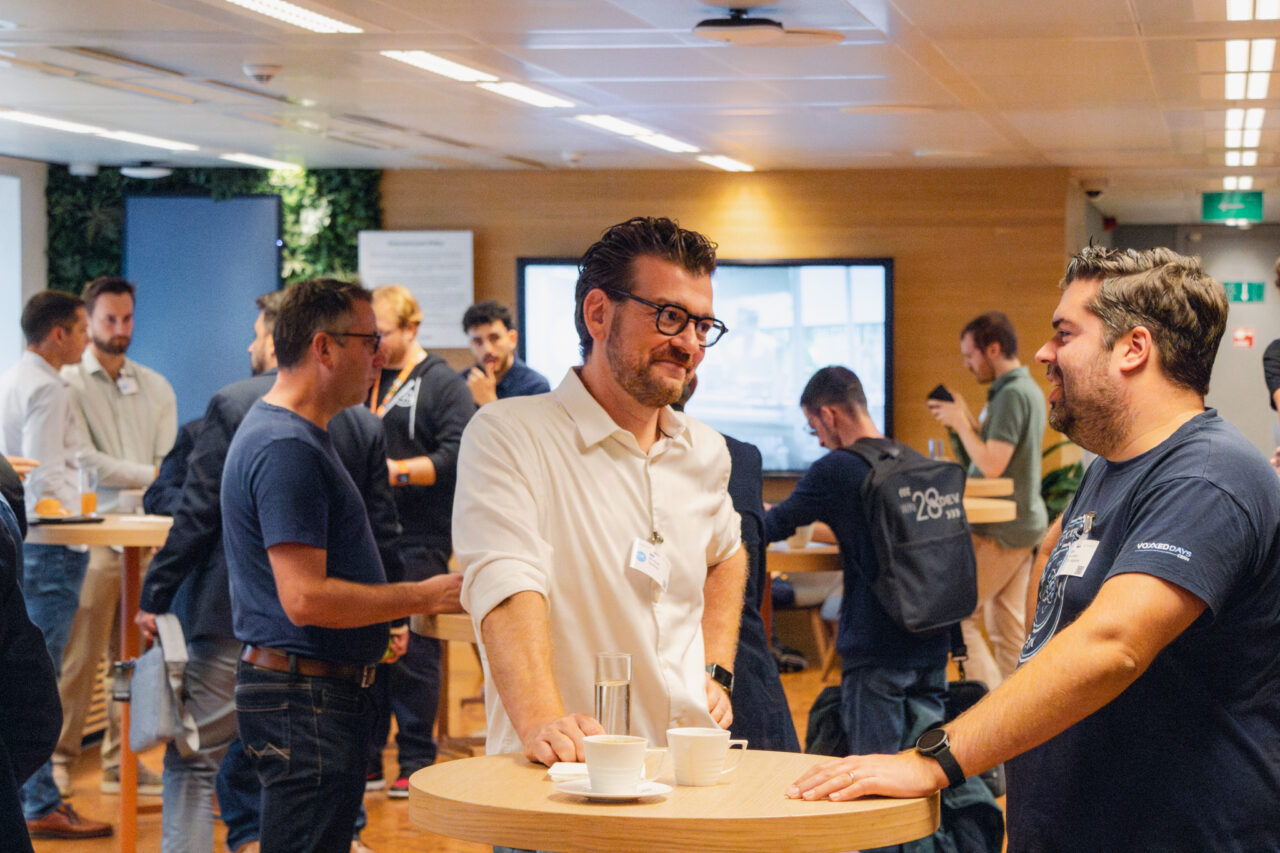
Quantum Summer Lab was more than just an event. It served as a meeting point for the Belgian and European quantum ecosystems. Through the support of the Quantum Circle and all involved partners, we created space for public sector representatives, academic researchers, and industry stakeholders to connect and align on shared goals.
What’s next?
The Quantum Coding Challenge is coming soon. Participants from the hands-on track will receive an invitation to take part. The winner will earn QPU time on Pasqal’s Orion quantum processor. It’s an opportunity to put your skills into action on real quantum hardware.
If you’d like to stay informed, these are the best places to stay connected:
Thanks to everyone who contributed, participated, and made this first edition a success. We look forward to what comes next.
Relive the moments